Disciplines :

Bouldering

Bouldering

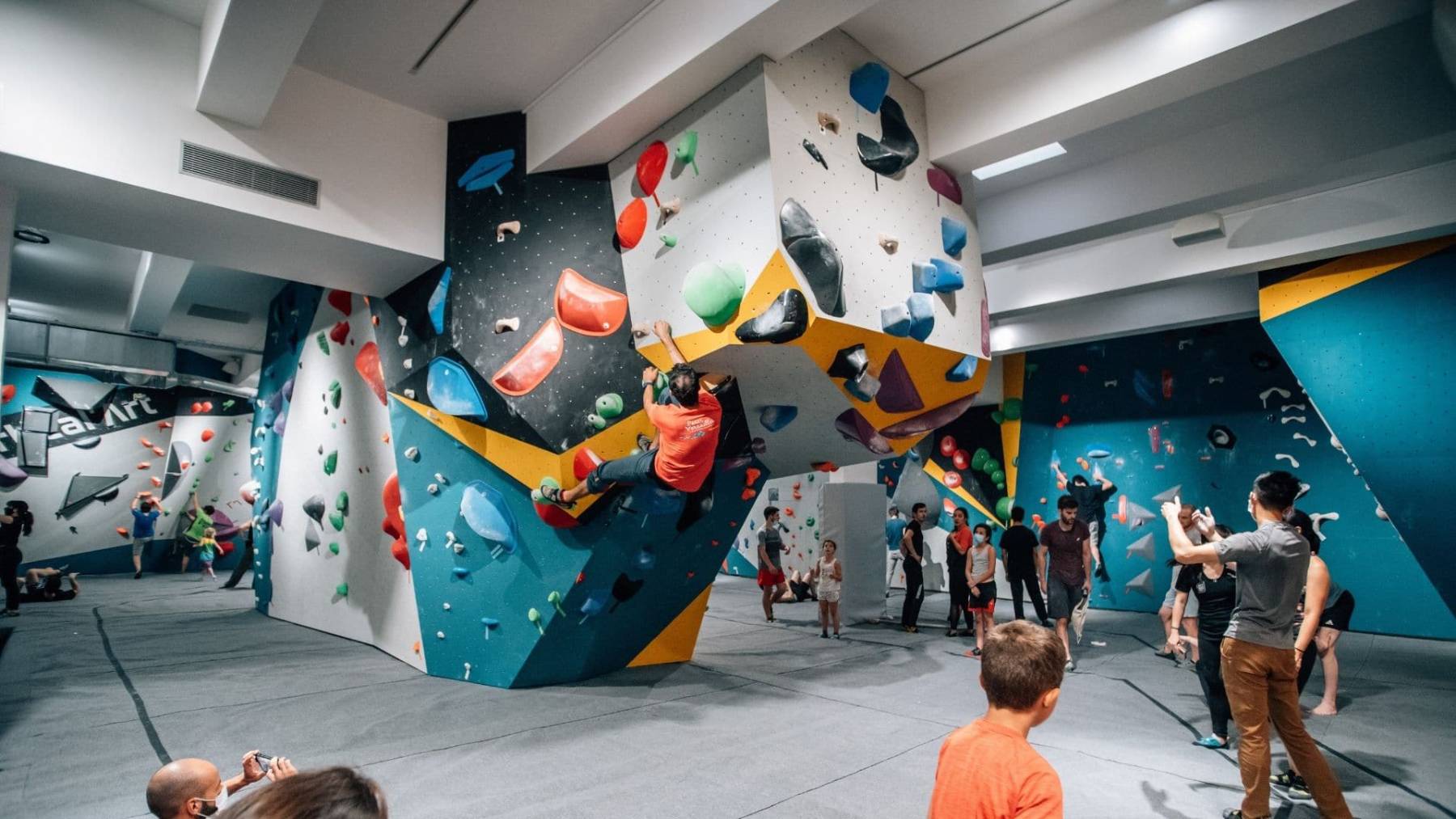
Climbing stripped down to its purest essence: no rope, no harness, just you and the rock. Shown here in an indoor gym, bouldering started as an outdoor sport on real rock but has popularized indoors for year-round practice! The goal is to solve short but intense "problems" on low-height rocks, secured by mats (crashpads). It is the king discipline for developing herculean strength and surgical footwork. The social aspect is very strong, as time is spent on the ground deciphering moves with friends.

Informations clés :

  • Average Height: 3 to 5 meters
  • Year of Origin: 1890
  • Grading Scale: Fontainebleau (e.g., 7A)
  • Practice Location: Mixed (Gym & Forest)

Main Equipment: Climbing Shoes Chalk Crashpad

Physical Profile: Explosiveness Pure Strength
Lead Climbing

Lead Climbing

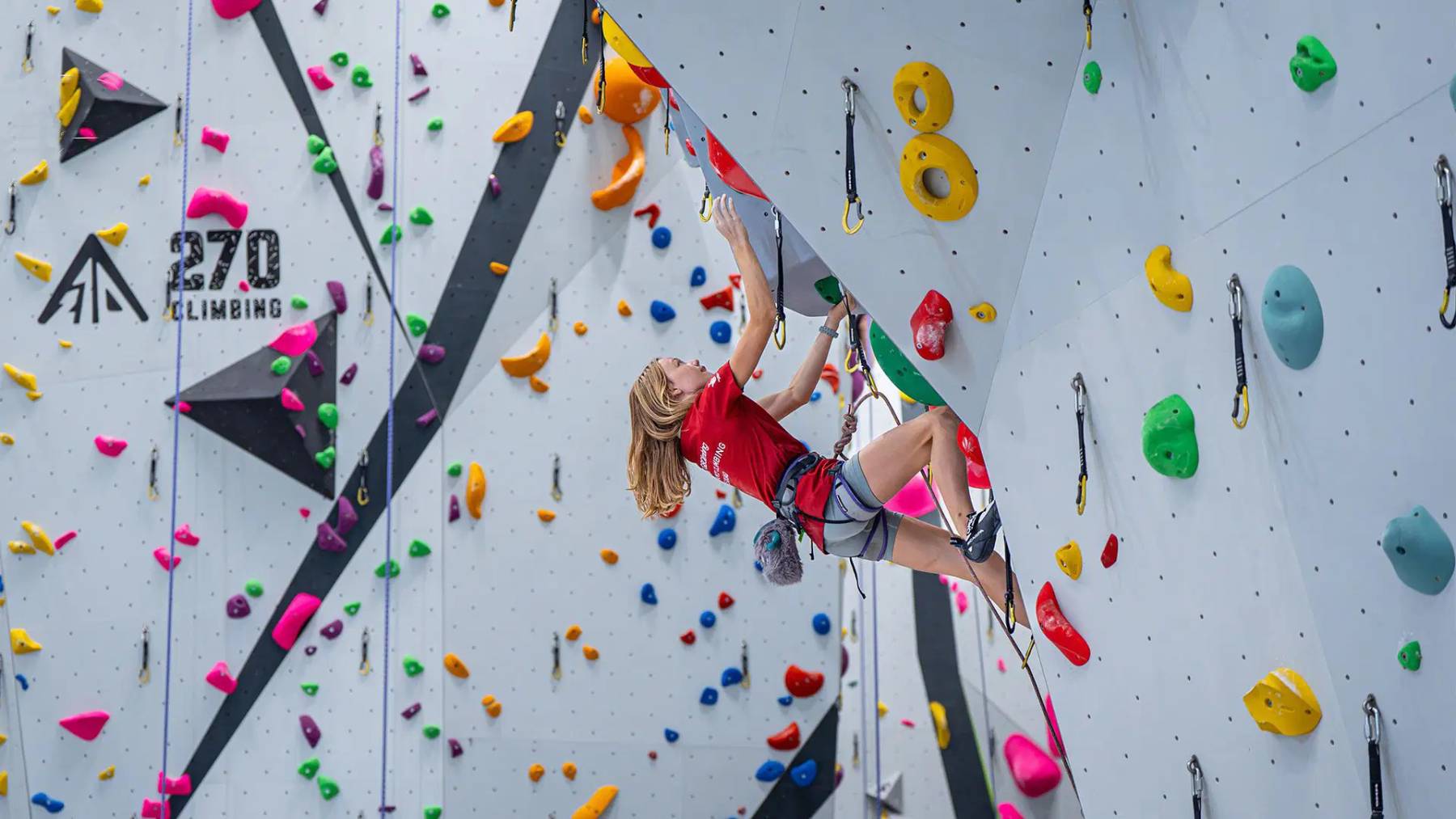
The most iconic form of sport climbing. The climber ascends by "clipping" their rope into quickdraws attached to the wall for safety. Here, it isn't just strength that counts, but the ability to manage effort over time. You must climb economically, breathe calmly despite lactic acid pumping your arms, and keep a steely mindset not to let go before the final anchor.

Informations clés :

  • Average Height: 15 to 40 meters
  • Year of Origin: 1980
  • Grading Scale: French (e.g., 8b+)
  • Practice Location: Mixed (Crag & Wall)

Main Equipment: Rope Harness Quickdraws

Physical Profile: Endurance Resistance

Speed Climbing

Speed Climbing

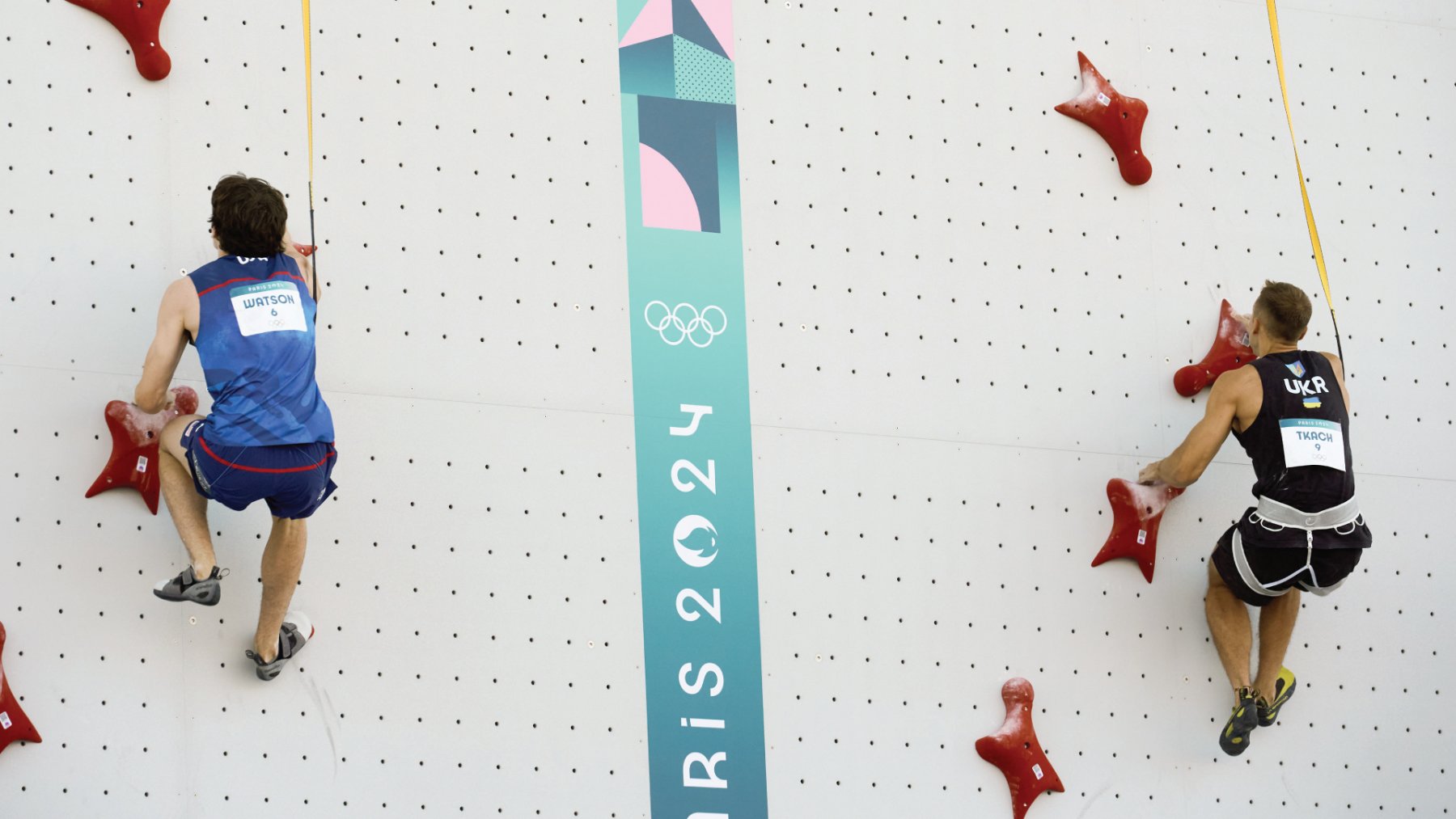
The vertical sprint. It is the only discipline where the stopwatch is the sole judge. Athletes climb on a standardized route (always the same overhang and holds everywhere in the world). It is an explosion of pure energy where every millisecond counts. Moves are repeated thousands of times in training to reach perfect automation, close to choreography.

Informations clés :

  • Average Height: 15 meters (Standard)
  • Year of Origin: 2005
  • Grading Scale: Time (Seconds)
  • Practice Location: Indoor (Homologated Wall)

Main Equipment: Auto-belay Lightweight Rope Shoes

Physical Profile: Power Coordination

Multi-pitch Climbing

Multi-pitch Climbing

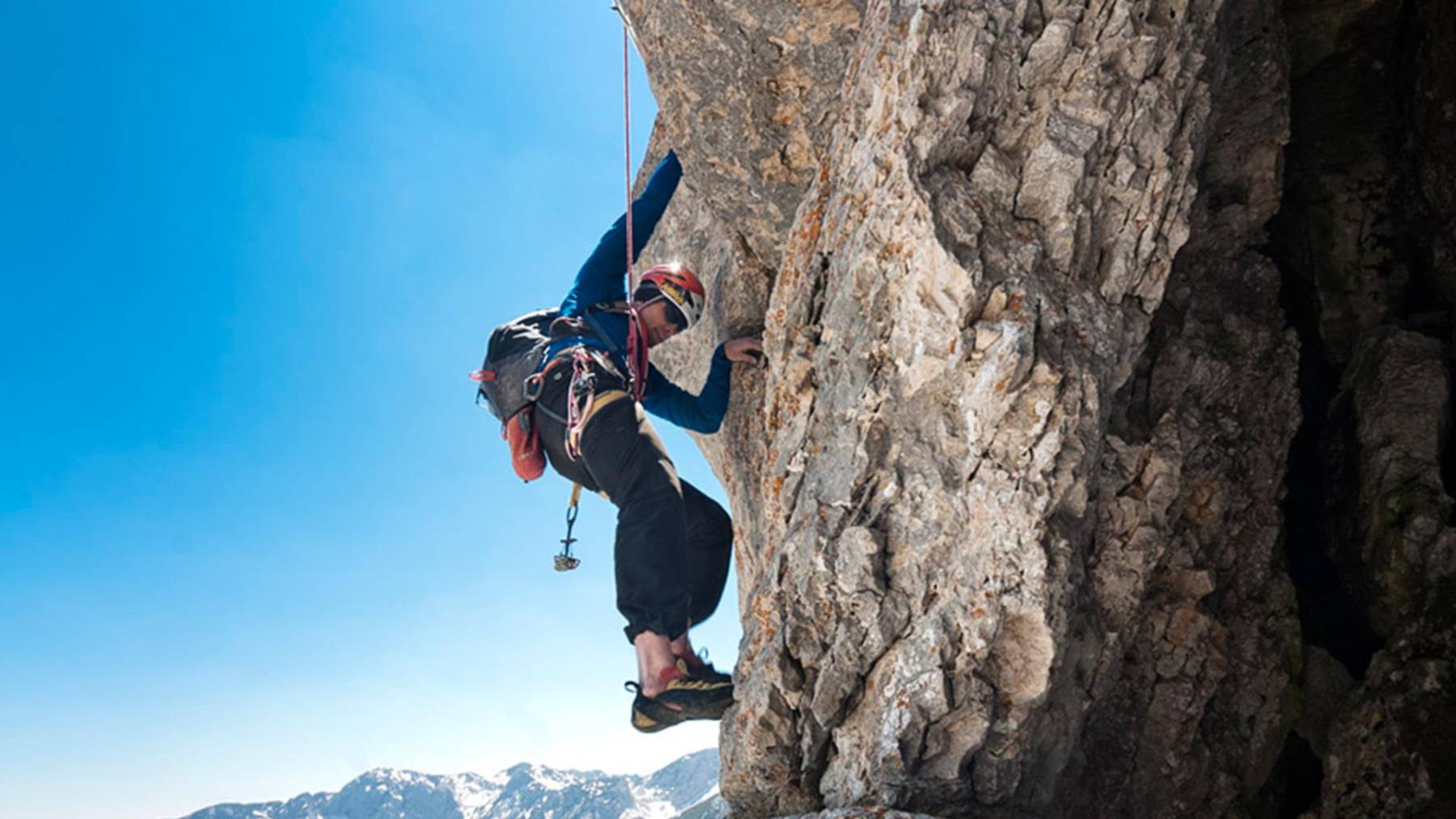
Adventure with a capital A. When a cliff is too high for a single rope length, it is cut into several sections called "pitches." You climb as a rope team, meeting at belay stations suspended in the middle of the wall. It is a discipline requiring logistics, exposure management (heights), and route-finding skills. You often find unforgettable, dizzying atmospheres.

Informations clés :

  • Average Height: 100 to 300 meters
  • Year of Origin: 1900
  • Grading Scale: French (e.g., 7a)
  • Practice Location: Outdoor (Cliffs)

Main Equipment: Half Rope Lanyard Backpack

Physical Profile: Endurance Mental Management

Trad Climbing

Trad Climbing

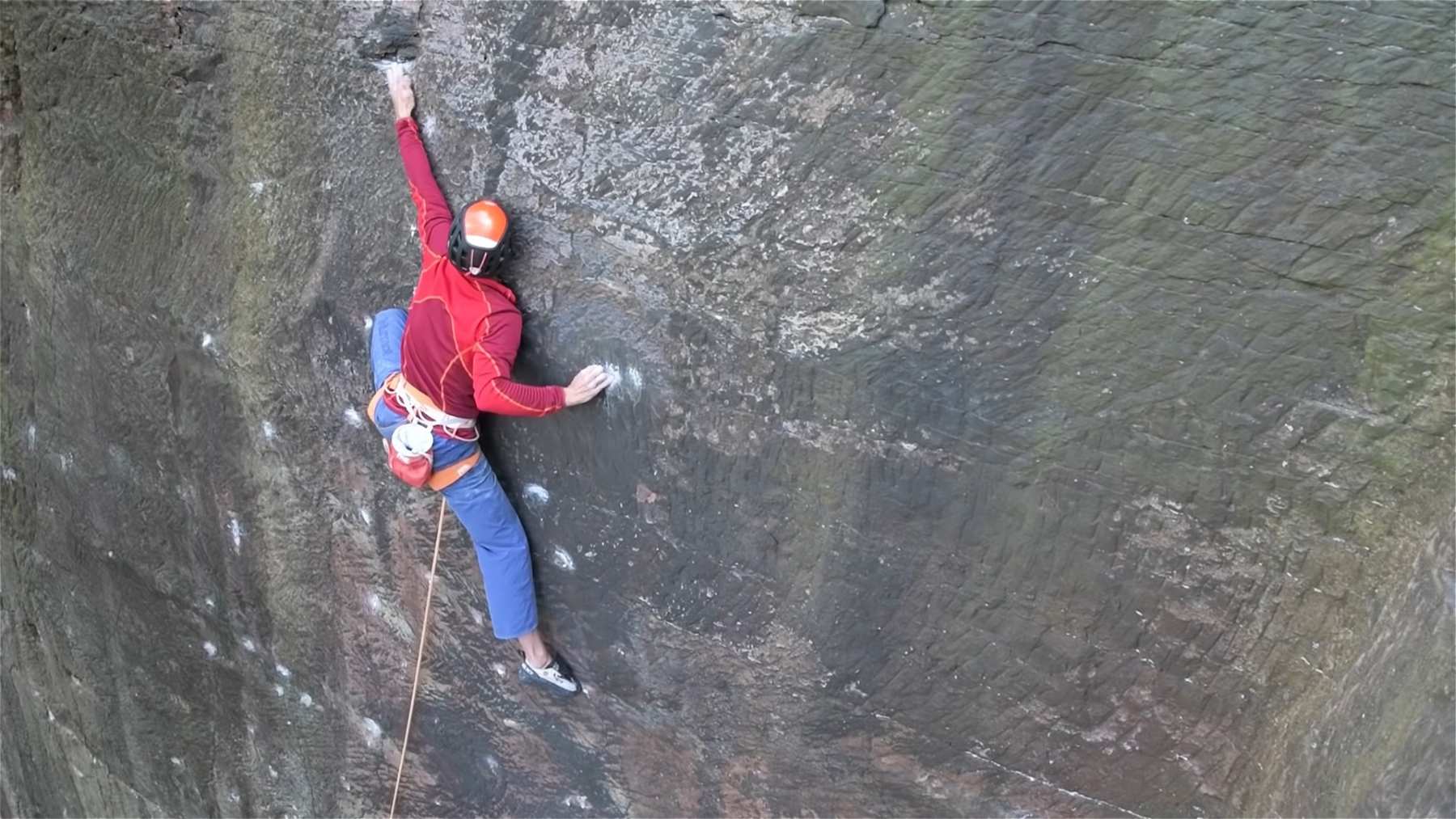
The "clean" and historic climbing style. On these walls, there are no fixed safety points (bolts). It is up to the climber to place their own protection (nuts, cams/friends) in rock cracks and remove them after passing. This requires exceptional composure and great knowledge of the rock. Falling is allowed, but psychologically much more impressive than sport climbing.

Informations clés :

  • Average Height: 20 to 200 meters
  • Year of Origin: 1800
  • Grading Scale: French (e.g., 6c)
  • Practice Location: Outdoor (Crag & Mountain)

Main Equipment: Set of Nuts Cams/Friends Robust Harness

Physical Profile: Technique Composure